Homeowners in Charlotte often ask a simple question that hides a lot of detail: what is electrical repair? In plain terms, electrical repair means diagnosing and fixing faults in a home’s electrical system so power flows safely and reliably. It covers everything from replacing a failed outlet to tracing a hidden short that keeps tripping a breaker. Good repair work restores function, removes hazards, and brings the system back into compliance with code.
Ewing Electric Co. serves Charlotte, Matthews, Mint Hill, Ballantyne, Steele Creek, University City, and nearby neighborhoods. The team handles day-to-day fixes and more complex troubleshooting for older and new homes alike.
What counts as electrical repair in a Charlotte home
A proper repair starts with testing. A licensed electrician uses a multimeter, a circuit tracer, and insulation resistance checks to find the fault. The work may involve replacing worn components, correcting wiring errors, and updating protective devices like breakers or GFCIs. It also includes verifying grounding and bonding, since many recurring issues tie back to poor connections.
In older Charlotte neighborhoods such as Plaza Midwood and Dilworth, repairs often involve aluminum branch circuits, cloth-insulated wire, or ungrounded outlets. Newer communities around Ballantyne and Lake Wylie tend to bring warranty-style issues, like loose terminations in panelboards or failed AFCI devices that nuisance trip.
Three main electrical issues most homes face
Every house is unique, but most service calls fall into three core categories: circuit overloads, faulty connections or devices, and ground or short faults. Each shows up in predictable ways and calls for specific remedies.
1) Circuit overloads and nuisance tripping
This is the classic “breaker keeps tripping” problem. The connected loads ask for more current than the circuit can supply. Space heaters, hair dryers, air fryers, and window AC units often share one 15-amp circuit. Add a holiday plug-in display in SouthPark or a garage freezer in Huntersville, and the breaker gives up.
An electrician measures load, maps the circuit, and may split the circuit, move heavy appliances to dedicated circuits, or upgrade wiring capacity where code allows. Sometimes the fix is as simple as relocating a few plugs. Other times, the panel needs a new breaker and a new run of 12 AWG cable to a dedicated receptacle.
2) Faulty devices and loose connections
Loose terminations cause heat, arcing, and intermittent power. Typical signs include warm faceplates, buzzing switches, flickering lights, or a faint burning smell. Backstabbed outlets in production homes around Charlotte are a common culprit. Light fixtures with old brittle leads or dimmer switches mismatched with LED lamps fall in this bucket too.
Repairs involve re-terminating with proper torque, swapping push-in connections to screw terminals, replacing worn receptacles or switches, and confirming box fill and support. For lighting, the fix may include a dimmer rated for LED loads and new wire nuts with proper strip length.
3) Ground faults and short circuits
A short circuit ties hot to neutral or ground and trips the breaker instantly. A ground fault leaks current to ground and should trip a GFCI. These show up around kitchens, bathrooms, laundry rooms, garages, crawlspaces, and outdoor circuits in places like Myers Park patios or Lake Norman docks.
An electrician isolates the fault by opening the circuit, testing sections, and inspecting suspect devices or cable runs for moisture, damage, or crushed insulation. Repairs range from replacing a waterlogged in-use cover and GFCI to running new UF cable for an exterior circuit.
Common repair examples Charlotte homeowners request
Outlet stopped working on one wall. Often a tripped GFCI upstream in a garage or bathroom disables downstream outlets. Resetting may restore power, but repeat trips point to a ground fault or an overloaded run. A technician confirms wiring order, replaces GFCI if weak, and fixes the underlying load issue.
Light flicker on a dimmer. Many legacy dimmers do not play well with LED lamps. The repair is a compatible ELV or CL-rated dimmer plus checking neutral connections. Cost is modest and the improvement is immediate.
Burn marks on a receptacle. Heat marks mean arcing. The outlet and box get replaced, connections are remade on screws, and the electrician inspects the rest of the circuit for similar wear.
Breaker hums or feels hot. Persistent hum may mean a loose breaker, a poor bus connection, or a failing breaker. The panel cover comes off for torque checks, thermal scanning when needed, and a replacement breaker if the test shows internal failure.
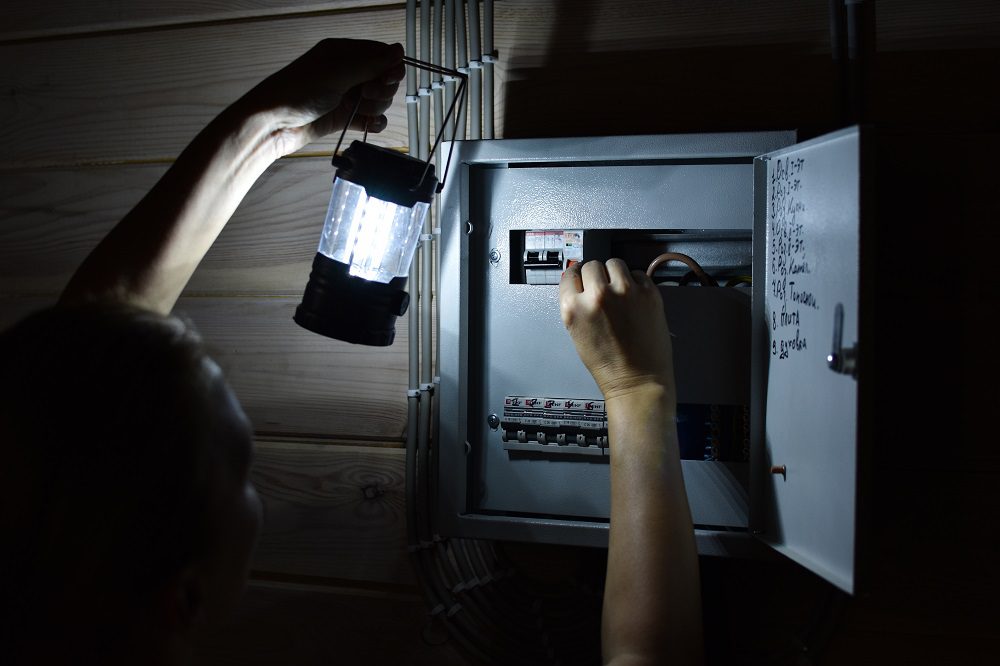
Half the house lost power after a storm. A loose neutral at the meter base or service panel can cause low voltage on one leg and high on the other. This is urgent. The electrician coordinates with Duke Energy for service-side issues and repairs panel terminations or the main bonding jumper as needed.
Average fix costs in Charlotte, NC
Pricing varies by access, parts, and diagnostic time. For a typical single-family home in the Charlotte area, expect the following ranges:
- Service call and diagnosis: $99 to $189 for the visit and first half hour; complex troubleshooting may add $100 to $200 per additional hour. Standard outlet or switch replacement: $90 to $180 per device, including parts and testing; GFCI or AFCI devices land higher. New dedicated 20A circuit for a microwave, garage freezer, or workshop outlet: $350 to $900 depending on run length and wall type. Breaker replacement: $125 to $275 for standard breakers; AFCI/GFCI combo breakers often run $200 to $400 installed. Light fixture replacement: $120 to $300 for straightforward swaps; heavy chandeliers, stairwells, or high ceilings add labor.
Larger repairs, such as partial rewiring or panel upgrades, have wider ranges. A 100 to 200 amp panel change in Charlotte generally sits between $1,600 and $3,200 including permits and utility coordination. Aluminum-to-copper pigtailing in a mid-century house might run $25 to $60 per device, scaled across the home.
These are ballpark numbers based on recent Charlotte-area work. Ewing Electric Co. provides written estimates after diagnosis so there are no surprises.
When a repair becomes an upgrade
Sometimes the best fix solves today’s problem and prevents tomorrow’s. If an older bungalow in Wesley Heights has repeated overloads, splitting the circuit helps, but adding a dedicated laundry and microwave circuit solves the pattern. If the panel is full, a subpanel in the garage is cleaner than cramming tandem breakers into limited spaces. For homes planning EV charging in South End or Highland Creek, running a 240V circuit with adequate capacity now avoids rework later.
Good electricians explain options in plain language and show the trade-offs: lowest immediate cost, mid-range with future-proofing, or a full upgrade. The right electrical repair cost ewingelectricco.com choice depends on budget, usage, and plans for the home.
Safety, permits, and Charlotte code notes
Electrical work should follow the North Carolina Electrical Code and local permitting. Repairs that change wiring, add circuits, or modify the service often require a permit and inspection. Small like-for-like device swaps may not, but many jobs do. A licensed contractor handles permits, schedules inspections, and documents the work.
Two safety points matter in every Charlotte house. First, GFCI protection is required in kitchens, bathrooms, garages, outdoors, and laundry areas. Second, AFCI protection is required on most living-space circuits. If a repair reveals missing protection, expect a recommendation to bring the circuit up to current standards.
DIY vs calling a pro
Homeowners can reset a tripped GFCI, replace a lamp, or test a breaker label. Beyond that, hidden hazards outweigh the savings. Miswired neutrals, shared circuits, bootleg grounds, and oversized fuses cause fires and equipment damage. A professional repair includes testing you cannot do with a plug-in tester alone and provides liability coverage and documentation.
If the breaker trips repeatedly, a device feels hot, or there is a burning odor, power should be turned off and a licensed electrician called. If lights brighten and dim across rooms, that suggests a service neutral issue and should be treated as urgent.
What to expect during a service visit
Ewing Electric Co. starts with a short interview about symptoms, then tests the affected circuit rather than guessing. The electrician may pull the panel cover, open a few devices, and use a circuit tracer to find splices. After diagnosis, the tech explains the cause and options with parts and labor clearly priced. Most small repairs finish in the same visit. If parts are unique or access is limited, the office schedules a quick return.
Homeowners appreciate small touches that avoid wall damage when possible, label circuits accurately, and clean up before leaving. The goal is a safe, code-compliant system that also looks neat inside the panel and boxes.
Signs you need electrical repair soon
Use this quick checklist to decide whether to book service now:
- Breakers or GFCIs trip more than once a month on the same circuit Outlets feel warm, buzz, or show discoloration Lights flicker or dim when appliances start You smell a hot or fishy odor near switches, fixtures, or the panel You live in an older home with two-prong outlets or aluminum wiring
Local insight: Charlotte homes and their quirks
Charlotte’s housing stock is a mix. Pre-1970 homes around NoDa and Elizabeth often have limited circuits, older panels, and sometimes knob-and-tube remnants. Repairs here focus on adding capacity safely and improving grounding. Suburban builds from the 1990s and 2000s across Ballantyne and Steele Creek can suffer from backstabbed devices, crowded panels, and failing AFCI breakers from early generations. Newer townhomes in South End may have shared walls and tight electrical closets, which change how circuits get routed and labeled.
Hot, humid summers and storm season also affect equipment. GFCIs and exterior outlets near patios and pool equipment see moisture intrusion. In crawlspace homes, junction boxes sometimes sit unsecured or lack covers. A repair visit often becomes a quick tune-up to secure these details.
Ready for clear answers and a safe fix?
If you searched “what is electrical repair” and you live in Charlotte, you likely have a real issue today. Ewing Electric Co. can diagnose it, explain it in simple terms, and fix it the right way. Call or book online for service in Charlotte, Matthews, Mint Hill, Ballantyne, Steele Creek, University City, and nearby areas. Same-week scheduling is common, and emergency slots are available for urgent hazards.
A safe, quiet panel, solid connections, and circuits that stop tripping are within reach. Start with a quick visit and a clear estimate.
Ewing Electric Co provides dependable residential and commercial electrical services in Charlotte, NC. Family-owned for over 35 years, we handle electrical panel upgrades, EV charger installation, generator installation, whole-home rewiring, and 24/7 emergency repairs. Our licensed electricians deliver code-compliant, energy-efficient solutions with honest pricing and careful workmanship. From quick home fixes to full commercial installations, we’re known for reliable service done right the first time. Proudly serving Charlotte, Matthews, Mint Hill, and nearby communities.
Ewing Electric Co
7316 Wallace Rd STE D
Charlotte,
NC
28212,
USA
Phone: (704) 804-3320
Website: https://ewingelectricco.com/ | Google Site
Social: Facebook | Instagram | Twitter
Map: View on Google Maps